
AI-Driven Robotics: Transforming Industrial Automation in China
AutoControl GlobalAutoControl Global June 30, 2026AI-Driven Robotics: The Evolution of Industrial Automation in China
The Shift Toward Intelligent Factory Automation
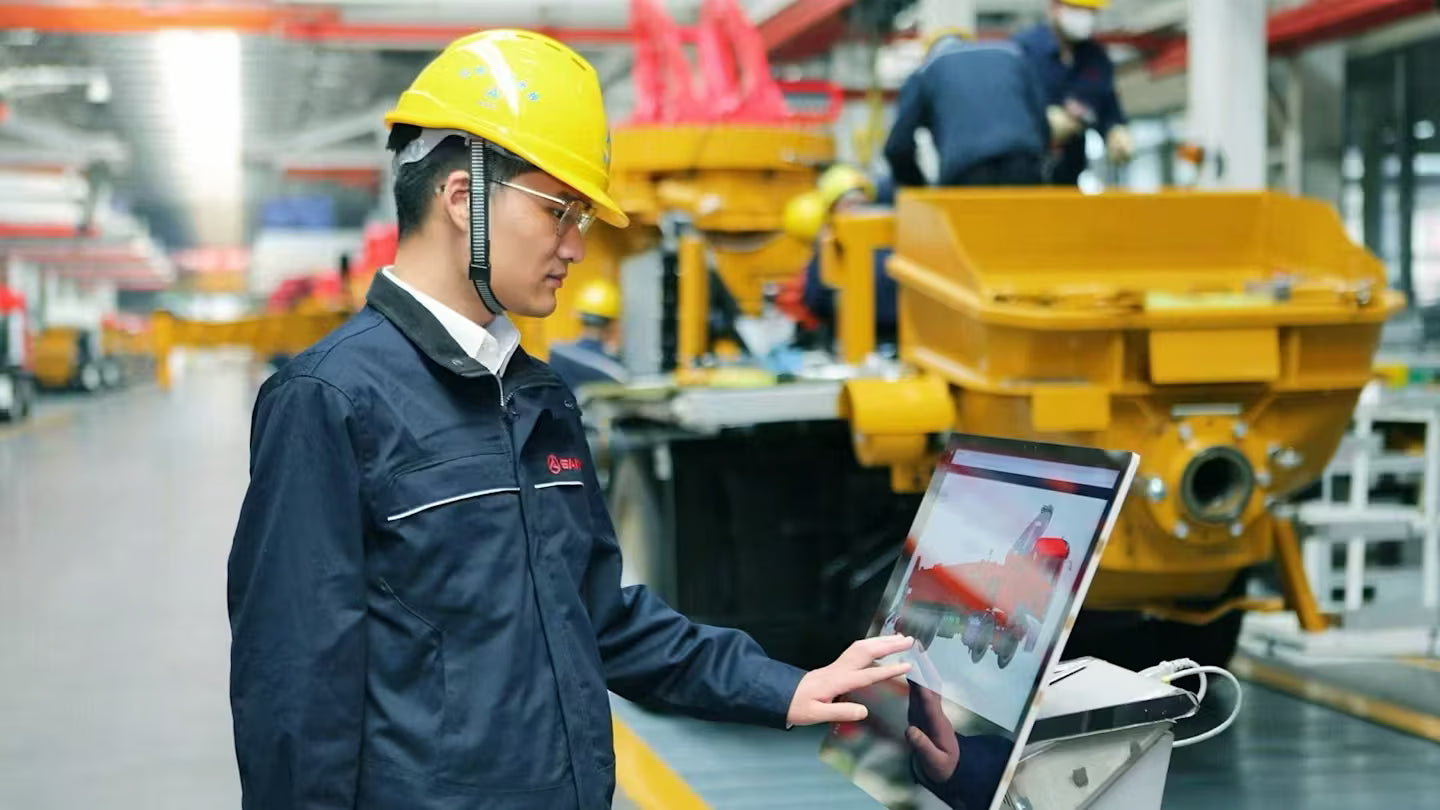
The industrial landscape in China is undergoing a radical transformation driven by artificial intelligence. Traditional manufacturing facilities are increasingly adopting industrial automation to maintain competitive advantages. These "lighthouse factories," such as Sany’s No. 18 facility in Changsha, represent the cutting edge of modern production. Automated guided vehicles and robotic welding arms now manage high-volume output with unprecedented precision. Consequently, AI integration is no longer a luxury but a necessity for firms aiming to optimize efficiency and mitigate the challenges of an aging workforce.
Enhancing Capabilities Through AI-Powered Robotics
Modern AI models have significantly expanded the functionality of standard industrial robots. By integrating advanced computer vision, these machines can now identify, sort, and handle parts of varying shapes and materials with human-like accuracy. Furthermore, AI-powered software simplifies the programming process, allowing robots to perform complex tasks that previously required manual intervention. As a result, factory automation is moving beyond the constraints of large-scale auto manufacturing. It is now penetrating labor-intensive sectors, including footwear and garment production, where flexibility is essential for operational success.
Bridging the Knowledge Gap with Human-Machine Interaction
While deployment of advanced control systems is accelerating, human capital remains a critical factor. Many industrial conglomerates, such as GSK CNC Equipment, recognize that workers in traditional sectors may struggle with complex robot programming. To address this, the industry is shifting toward natural language processing and intuitive interfaces. Therefore, the goal is to create systems that understand human speech and intent. This evolution makes robotic systems more accessible to workers with varying levels of technical education, thereby ensuring successful technology adoption across diverse industries.
Data-Driven Future for Control Systems
The rapid deployment of robots creates a massive opportunity for data collection and model training. By gathering real-time performance metrics, manufacturers can refine their physical AI models, leading to smarter, more self-sufficient production lines. In our view, this feedback loop is crucial for the future of PLC and DCS integration. As these control systems become increasingly interconnected, the ability to monitor and maintain robots remotely will define the next phase of factory automation. We expect humanoid robots to eventually transition from experimental concepts to scalable workforce solutions in sectors with high physical demands.
Strategic Solutions for Modern Manufacturing
For businesses looking to capitalize on this shift, prioritizing modular and AI-compatible hardware is essential. Transitioning from legacy manual processes to automated systems requires a comprehensive approach.
- Implement Visual Guidance: Utilize AI-enhanced cameras to improve object recognition and sorting accuracy.
- Prioritize Intuitive Interfaces: Select robotic solutions that support voice commands or simplified text-based programming to empower your existing workforce.
- Invest in Scalable Architecture: Ensure that your PLC and control systems can integrate with cloud-based remote monitoring for better predictive maintenance.