
China vs US Industrial Automation: Who Leads the Tech Race?
AutoControl GlobalAutoControl Global October 16, 2026The Industrial Automation Divide: Why China Leads and America Lags
The Shift from Permissionless Innovation to Bureaucratic Delay
Historically, America championed permissionless innovation. However, modern regulatory frameworks now hinder rapid technological deployment. Therefore, innovators often struggle against complex bureaucratic hurdles.
Conversely, China actively accelerates industrial automation across critical sectors. Beijing prioritizes strategic technologies and provides direct policy support. As a result, Chinese manufacturing hubs deploy advanced control systems much faster than Western counterparts.
Advanced Robotics and Factory Automation
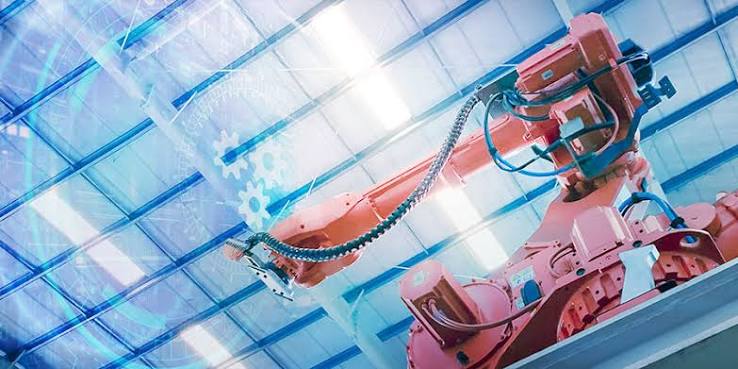
Modern factories require robust industrial automation to maintain global competitiveness. China currently installs more industrial robots than the rest of the world combined. For example, smart facilities in Changsha utilize thousands of adaptive robots on intelligent production lines.
These systems rely on advanced PLC and DCS architectures to optimize heavy machinery manufacturing. Meanwhile, American manufacturing lags significantly behind in robotics adoption. Moreover, union resistance and aging equipment complicate factory automation upgrades across the United States.
Industry experts must recognize that outdated infrastructure threatens long-term American industrial viability. Overcoming these hurdles requires coordinated national strategies rather than fragmented regional policies.
Control Systems and Data Infrastructure
Scalable factory automation depends heavily on reliable control systems and data centers. China launched massive computing initiatives to power national data networks efficiently. Furthermore, regional authorities coordinate power availability to support heavy industrial workloads.
In contrast, American data center expansion faces severe grid bottlenecks and local moratoriums. Therefore, fragmented regulatory policies stall crucial digital infrastructure upgrades in the United States. Engineers face constant delays when integrating new SCADA networks into existing power grids.
Autonomous Logistics and Smart Infrastructure
Logistics optimization forms another critical pillar of modern industrial automation. Chinese companies deploy autonomous trucks, delivery robots, and drone networks at massive scales. Inceptio and Baidu operate commercial autonomous fleets over thousands of daily kilometers.
Meanwhile, American operators navigate a complex patchwork of state and federal regulations. Consequently, slow federal approvals hamper nationwide commercial scaling for autonomous freight systems. Operators must streamline compliance processes to unlock the true potential of autonomous logistics.
Practical Application Scenarios and Industry Solutions
Industry leaders can learn valuable lessons from these divergent global trends. Applying practical engineering strategies helps bridge the modernization gap.
- Smart Manufacturing Plants: Integrating intelligent PLC units with adaptive robotics reduces production bottlenecks and increases assembly precision.
- Automated Port Terminals: Implementing unmanned container handling boosts throughput and lowers labor friction in high-volume shipping hubs.
- Predictive Maintenance: Utilizing IoT sensors within distributed control systems minimizes unexpected equipment downtime and extends machine lifespan.
Therefore, adopting unified national standards will help Western manufacturers regain global leadership and accelerate digital transformation.