
Driving Sustainable Factory Automation via Niche Customer Needs
AutoControl GlobalAutoControl Global May 25, 2026Scaling Sustainable Industrial Automation: How Niche Specialists Are Shaping the Future of Factory Automation
As global supply chains face unprecedented labor shortages and strict carbon-neutrality mandates, the industrial automation sector undergoes a massive shift. Navigating cross-border regulations requires more than standard corporate social responsibility. Today, sustainable operations act as a primary baseline for market competitiveness.
Niche market leaders demonstrate that true sustainability flows directly from customer demand rather than top-down mandates. By integrating energy efficiency and labor-saving technologies into core product development, specialized engineering firms help manufacturers maintain high reliability while meeting strict international procurement standards.
The True Drivers of Sustainable Factory Automation
Many industry analysts believe that regulatory penalties drive green factory automation. However, practical field experience reveals that customer requirements remain the true catalysts for industrial transformation. When manufacturing facilities face rising energy costs, they naturally seek out highly efficient hardware.
Consequently, sustainability becomes integrated into product development as a functional requirement rather than an isolated initiative. For example, upgrading factory floor equipment to lower power consumption directly reduces operational expenditures. Hardware developers must continuously raise their technical targets to match this evolving market direction.
Overcoming Global Expansion Barriers in Workforce Systems
Expanding workforce management software and hardware across borders presents unique compliance challenges for industrial providers. Unlike standard control systems, workforce platforms must align with complex, localized labor laws and regional reporting requirements.
Because you cannot easily transfer a domestic software platform into an overseas market, strategic mergers and acquisitions (M&A) become essential. Acquiring local expertise allows automation brands to navigate regional workplace regulations effectively, particularly in highly regulated zones like Western Europe.
Balancing Local Supply Chains in Environmental Engineering
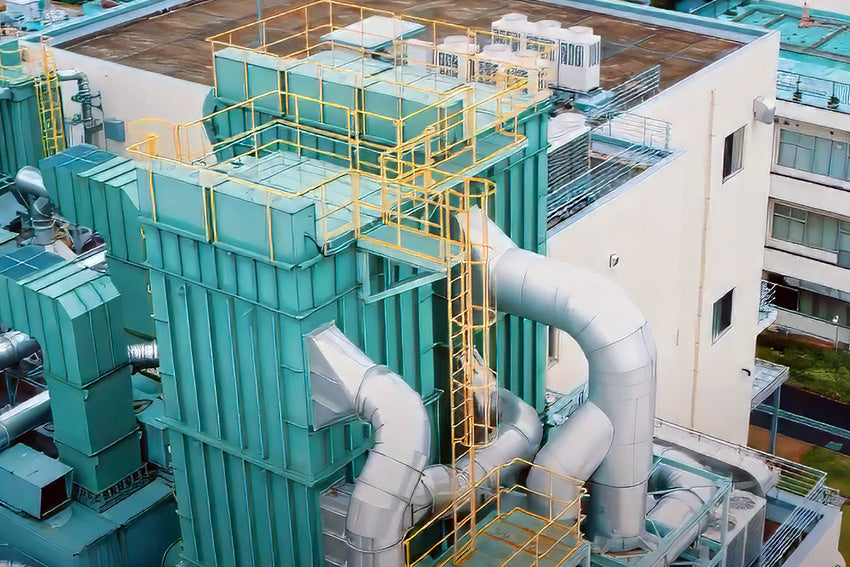
Deploying heavy industrial environmental equipment, such as dust collectors and powder transport systems, involves distinct supply chain hurdles. Transporting bulky automated machinery from centralized domestic facilities into markets like North America frequently incurs prohibitive logistical costs.
Conversely, establishing full-scale production in high-cost regions introduces severe capital strains. Industrial automation companies must build strategic partnerships with localized suppliers to optimize their delivery networks. This balanced approach protects operating margins while maintaining prompt deployment timelines for large-scale factory automation projects.
Driving Margins via Cleaning Automation and Robotics
While traditional parking systems and information infrastructure generate stable, high-volume revenue, automated clean systems represent a massive growth frontier. Substantial R&D investments in cleaning robots and autonomous machinery address severe manual labor deficits across commercial and industrial sites.
Scaling these robotic solutions improves profitability by transitioning specialized hardware into standardized, repeatable product lines. Establishing a strong, credible track record in the domestic market creates a reliable foundation before launching these advanced robotic systems globally.
The Power of the Direct, Integrated Engineering Model
In an era where hardware features frequently overlap, industrial automation companies can successfully differentiate themselves through an end-to-end operational model. Managing the entire product lifecycle—from in-house design to direct implementation and ongoing maintenance—builds deep customer trust.
Operational Insight: Relying entirely on third-party distributors can disconnect an equipment manufacturer from real-world field data. A direct engineering presence ensures that client feedback immediately informs future hardware revisions.
This close proximity to daily operations allows niche specialists to dominate focused sectors, ensuring long-term customer retention despite intense pressure from larger global conglomerates.
Real-World Application: Optimizing Automotive Manufacturing Environments
To understand how environmental systems and automated control systems function under actual field conditions, consider the following technical deployment scenario:
The Problem
A major automotive manufacturing facility in India experienced high concentrations of airborne particulate matter during the robotic welding and powder-coating processes. This dust compromised delicate sensors on automated assembly arms, causing frequent safety shutdowns and dropping control system reliability metrics.
The Solution
Engineers deployed an integrated environmental containment network utilizing localized dust collectors and advanced powder transport modules. The system architecture featured automated dust extraction hoods that dynamically adjust airflow based on real-time welding robot activity. Furthermore, variable frequency drives were added to cut energy consumption by 35% during low-throughput shifts, and real-time pressure monitoring sent diagnostics directly to the central factory control room.
The Result
The facility stabilized its automated production lines, achieved compliance with regional environmental safety mandates, and reduced unplanned maintenance downtime by 22%.