
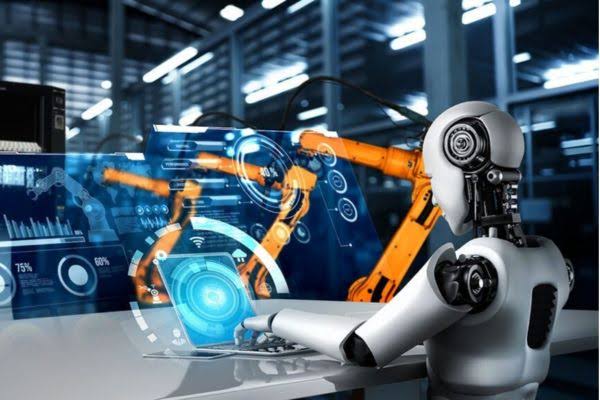
Global Robotics Leaders Unite for Barcelona Declaration 2026
AutoControl GlobalAutoControl Global July 14, 2026Global Robotics Leaders Unite: The Barcelona Declaration 2026
A Unified Front for Industrial Automation Policy
The global robotics industry is entering a new era of cooperation. Four major organizations—A3, IFR, VDMA, and AER Automation—recently signed the Barcelona Declaration on Robotics and Automation 2026. This agreement creates a permanent framework to influence public policy. These associations represent over 3,000 entities involved in industrial automation, from PLC programming to advanced DCS integration. By uniting, they aim to position robotics as the core engine for future economic growth.
Shaping Public Policy for Factory Automation
The Barcelona Declaration outlines ten critical priorities for governments worldwide. Policymakers must shift from viewing robotics purely as a regulatory challenge to seeing it as a strategic asset. The strategy emphasizes the need for a national robotics plan in every major economy. Furthermore, the declaration advocates for smart regulation that does not stifle innovation. As an engineer in this field, I believe this shift is vital. Over-regulation often delays the deployment of control systems that could otherwise optimize factory automation efficiency.
Bridging the Gap: Innovation and Industrial Scale
A primary goal of this initiative is to close the gap between R&D and commercial scale. Many innovative robotic solutions fail to move beyond the prototype stage due to a lack of infrastructure. Therefore, the signatories commit to providing technical expertise to public institutions. They will share industry data to help governments draft policies that support technology scaling. This collaboration serves as a bridge, ensuring that cutting-edge research quickly transforms into practical, scalable solutions on the shop floor.
Author Perspective: Why Global Standards Matter
The call for international standards over regional ones is perhaps the most critical demand. Fragmented standards create unnecessary costs for manufacturers deploying global fleets. When we integrate robotics into an existing plant, compatibility is everything. If manufacturers struggle to align different communication protocols, implementation stalls. Therefore, a global push for standardized interfaces will significantly reduce deployment time and costs. This move will empower engineers to focus on system performance rather than compatibility troubleshooting.
Practical Application: Implementing Modern Robotics
Organizations can leverage this policy shift to upgrade their existing infrastructure. For instance, companies often rely on legacy controllers but struggle to integrate modern IoT-enabled sensors. By following these new strategic priorities, businesses can justify the investment in modernized control systems. A well-planned migration from aging PLC units to modular, high-speed automation controllers dramatically improves production consistency. These policy changes offer a roadmap for companies to transform their factories into highly responsive, competitive hubs.