
Hitachi Automation Deploys AI Control Systems for Smart Factories
AutoControl GlobalAutoControl Global June 24, 2026How Hitachi Automation Deploys Next-Gen Industrial Automation and AI Control Systems for Smart Factories
Overcoming Demographic Pressures with Industrial Automation
Japan faces severe labor shortages due to an aging population and a declining birthrate. Therefore, manufacturers must transition toward flexible and autonomous facility operations. Hitachi Automation delivers end-to-end systems integration to address these urgent workforce constraints. Advanced industrial automation solutions help companies survive this unprecedented demographic contraction.
Driving SME Consolidation Through Advanced Factory Automation
Fragmented small and medium enterprises struggle to invest in digital engineering independently. Consequently, industrial consolidation has become highly necessary across the Japanese manufacturing sector. Merging specialized entities protects valuable technical know-how from vanishing completely. Furthermore, consolidated organizations can easily deploy advanced factory automation platforms to remain competitive globally.
Maximizing Global Competitiveness with Trustworthy Control Systems
Japanese manufacturing maintains a powerful global reputation for engineering precision and reliability. Moreover, the weaker yen enhances cost competitiveness for domestic production lines significantly. Manufacturers leverage this unique economic window by upgrading their core control systems. Reliable hardware combined with favorable exchange rates creates massive opportunities for international expansion.
Utilizing Group Synergies for End-to-End DCS Architecture
Hitachi Automation unifies diverse technical origins to build comprehensive manufacturing frameworks. The company integrates structural facility design, physical automation, and digital layers seamlessly. For instance, large-scale projects connect plant architecture directly with complex DCS networks. This holistic approach ensures all process variables operate under a unified supervisory layer.
Upgrading Manual Processes with Adaptive PLC Networks
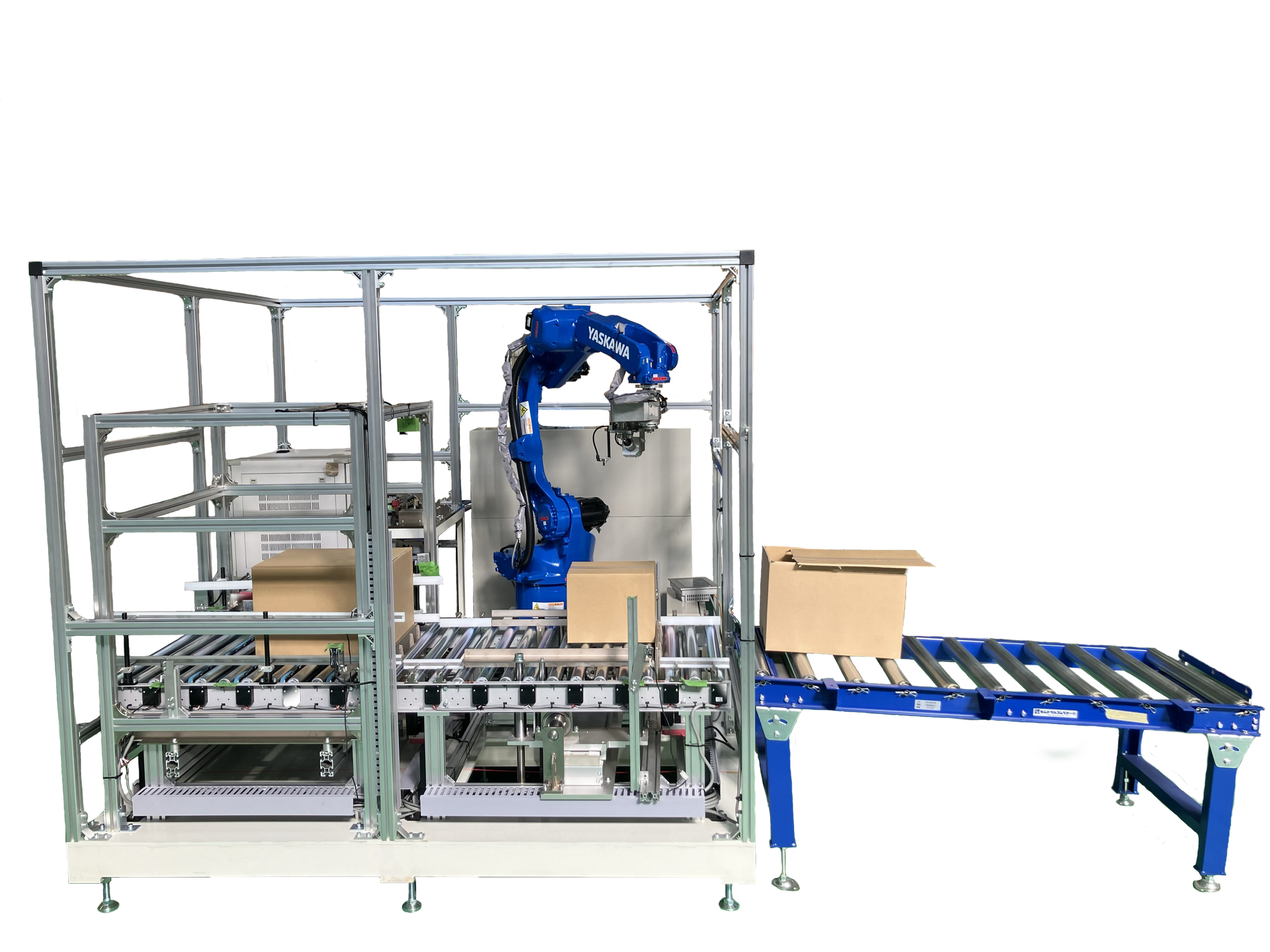
Highly automated sectors like automotive and semiconductors have already optimized their main lines. However, significant growth potential exists in labor-intensive fields like material handling. Engineers introduce vision-guided robotics to manage unpredictable component movement. Localized PLC systems dynamically coordinate these automated guided vehicles and storage units.
Author Insight on the Evolution of Autonomous Operations
Modern factory design is moving away from rigid, fixed production schedules. In our view, true efficiency requires real-time adaptivity through deep technological convergence. Artificial intelligence must not remain an isolated software concept. Instead, engineers must embed cognitive algorithms directly into field-level controllers to enable true autonomy.
Application Case: 24/7/365 Autonomous Operation at Amada Factory
Hitachi Automation partnered with comprehensive industrial machinery manufacturer Amada to revolutionize its legacy production line. Previously, manual labor handled all component transport between standalone processing machines.
The integration team deployed automated storage and retrieval systems alongside intelligent material loaders. Additionally, custom control software linked existing third-party machinery into a unified ecosystem. As a result, the production line now runs continuously around the clock. This automation project reduced the required operational workforce by two-thirds. The remaining factory personnel now focus entirely on high-value system maintenance.