
How Boston Dynamics Atlas Is Transforming Industrial Automation and Factory Robotics
AutoControl GlobalAutoControl Global January 20, 2026Boston Dynamics Atlas Redefines Industrial Automation on the Factory Floor
A New Chapter for Humanoid Robots in Industrial Automation
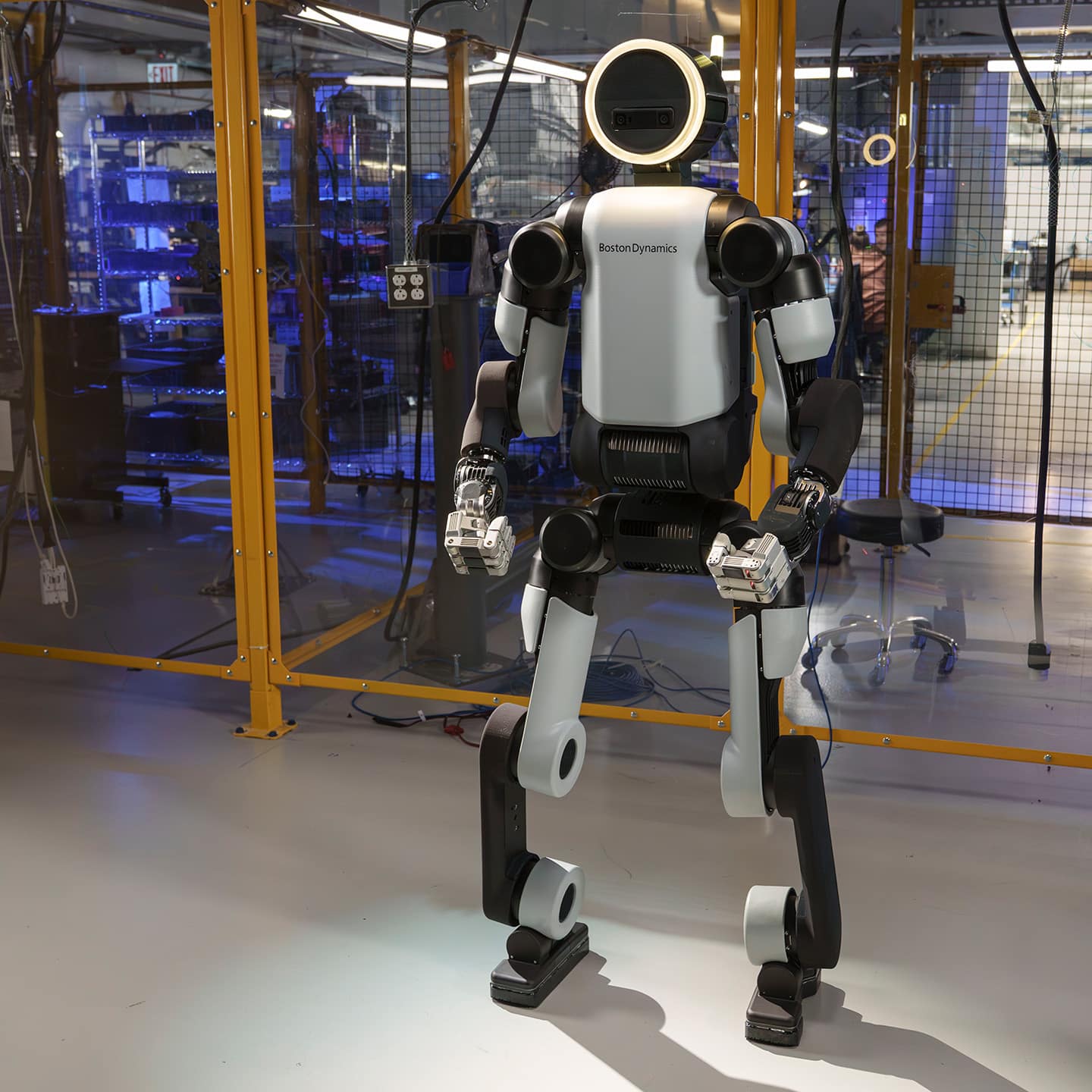
At CES 2026, Boston Dynamics introduced the production-ready Atlas humanoid robot. This launch marks a clear shift from research demonstrations to real industrial automation use. Atlas now targets repetitive, physically demanding factory tasks that traditionally rely on human labor.
From Viral Robotics to Factory Automation Systems
Earlier Atlas versions focused on mobility research and public demonstrations. However, this generation integrates directly into factory automation environments. It aligns with PLC, DCS, and control systems commonly used in modern manufacturing plants. Therefore, Atlas fits practical production workflows rather than experimental labs.
Autonomous Power Management Enables 24/7 Operation
One critical innovation involves self-managed power. Atlas independently locates charging stations and replaces batteries without assistance. As a result, it eliminates downtime caused by breaks or shift changes. In high-throughput factories, this autonomy directly improves equipment utilization rates.
AI Integration with Google DeepMind Enhances Control Systems
Boston Dynamics partnered with Google DeepMind to embed Gemini Robotics AI models. This collaboration allows Atlas to perceive environments, reason through tasks, and safely interact with people. Moreover, Atlas learns new workflows rapidly, which reduces reprogramming time in dynamic production lines.
Technical Capabilities Designed for Industrial Environments
Atlas handles loads up to 50 kilograms and reaches heights of 2.3 meters. Its 56 degrees of freedom support precise, human-like motion. Additionally, it operates reliably between -20°C and 40°C, making it suitable for harsh factory automation settings.
Safety and Integration with Existing Automation Infrastructure
Atlas includes human detection, fenceless safety logic, and sensor integration. These features align with industrial safety standards and collaborative robot practices. From my engineering perspective, this compatibility simplifies integration with existing PLC-based safety architectures.
Production Roadmap and Manufacturing Deployment Strategy
Boston Dynamics has committed all Atlas units for 2026 production. Initial deployments target Hyundai facilities and Google DeepMind research sites. Hyundai plans phased adoption, beginning with material handling and expanding into assembly operations by 2030.
Industry Perspective: What Atlas Means for Automation Engineers
In my experience, labor shortages and ergonomic risks drive automation investments. Atlas addresses both challenges. However, successful deployment will require careful integration with control systems, MES platforms, and plant safety policies. Atlas complements, rather than replaces, existing automation equipment.
Application Scenarios in Factory Automation
Atlas suits parts sequencing, heavy component transfer, and repetitive assembly support. It also fits hybrid environments where robots and humans share tasks. These scenarios benefit most from Atlas’s flexibility and AI-driven adaptability.
Future Outlook for Humanoid Robots in Control Systems
Humanoid robots will not replace traditional robots soon. However, Atlas introduces flexibility where fixed automation struggles. As AI models mature, humanoid systems may become standard assets in advanced industrial automation strategies.