
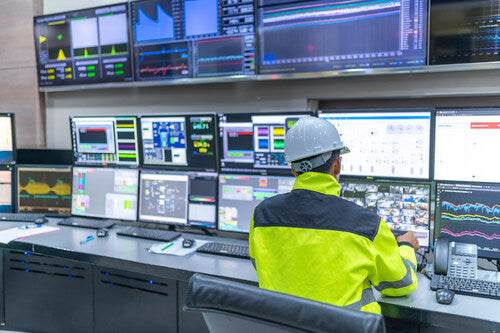
India Industrial Automation Drives Energy Efficiency Transformation
AutoControl GlobalAutoControl Global March 17, 2026Digital Readiness Drives Energy Efficiency in India’s Industrial Automation Sector
Rising Energy Costs Reshape Industrial Automation Priorities
Energy has become a critical cost factor for industrial enterprises in India. According to a recent report from ABB, energy accounts for nearly 28% of operating expenses. Moreover, 72% of companies report that rising energy costs directly threaten profitability.
Therefore, industrial automation strategies now prioritize energy optimization alongside production efficiency. In sectors using PLC, DCS, and control systems, energy visibility is no longer optional but essential.
Strong Investment Momentum in Factory Automation Efficiency
Indian industries show strong commitment to improving energy performance. Around 64% of companies have already invested in energy efficiency solutions, while 32% plan investments within the next year.
This trend reflects a broader shift toward factory automation and digital energy management systems. Companies increasingly deploy smart drives, intelligent motors, and real-time monitoring platforms to reduce waste and improve system performance.
Digital Readiness in India Surpasses Global Benchmarks
India has achieved an 80% digital readiness level, significantly above the global average of 67%. This indicates that most organizations are either using or prepared to deploy digital tools for energy management.
However, readiness alone does not guarantee success. Only 41% of companies consistently apply total cost of ownership (TCO) in decision-making. As a result, many automation investments fail to deliver full lifecycle value.
Execution Gaps Limit Industrial Energy Efficiency Gains
Despite strong intent, execution remains a major challenge. Responsibilities for energy efficiency often span multiple departments, including operations, maintenance, and finance.
Consequently, this fragmentation creates inefficiencies in industrial control systems integration. Without centralized accountability, companies struggle to scale energy-saving initiatives across facilities.
Workforce and Skills Barriers in Automation Projects
The report highlights several human-related barriers. About 42% of organizations face resistance to new technologies, while another 42% lack specialized expertise. Additionally, 41% report gaps in digital skills.
From practical experience, these issues often delay PLC and DCS system upgrades. Even when advanced solutions are available, teams may lack the confidence or training to implement them effectively.
Beyond Renewables: Efficiency Still Matters
Interestingly, 42% of companies have adopted renewable energy sources. However, 36% of them have reduced their focus on efficiency afterward.
This approach creates risk. Renewable energy reduces carbon intensity but does not lower total consumption. Therefore, industrial automation systems must still optimize energy usage to achieve real cost savings and operational resilience.
Industrial Automation as a Strategic Energy Tool
Modern automation technologies play a central role in energy efficiency. Solutions such as variable speed drives, predictive maintenance, and energy analytics platforms enable precise control over energy consumption.
In my experience, integrating advanced control systems with energy monitoring software delivers measurable improvements. Companies can reduce downtime, extend equipment life, and cut energy waste simultaneously.
Author Insight: Closing the Gap Between Data and Action
Many companies already collect large volumes of operational data. However, they often fail to convert this data into actionable insights.
I believe the next competitive advantage will come from combining industrial automation with AI-driven analytics. Organizations that align data, people, and processes will outperform those relying only on hardware upgrades.
Solution Scenario: End-to-End Energy Optimization in Manufacturing
A typical solution involves integrating motors, drives, and control systems into a unified digital platform. For example:
-
Deploy smart sensors across production lines
-
Connect PLC and DCS systems to centralized dashboards
-
Implement predictive maintenance for motor-driven equipment
-
Use analytics to optimize load and energy consumption
As a result, manufacturers can achieve continuous improvement rather than isolated efficiency gains.