
Scaling Automotive Automation: Where AI and Digital Twins Truly Fit
AutoControl GlobalAutoControl Global January 28, 2026Automotive Automation at Scale: AI, Digital Twins, and Practical Limits
A Quiet Shift on the Automotive Shop Floor
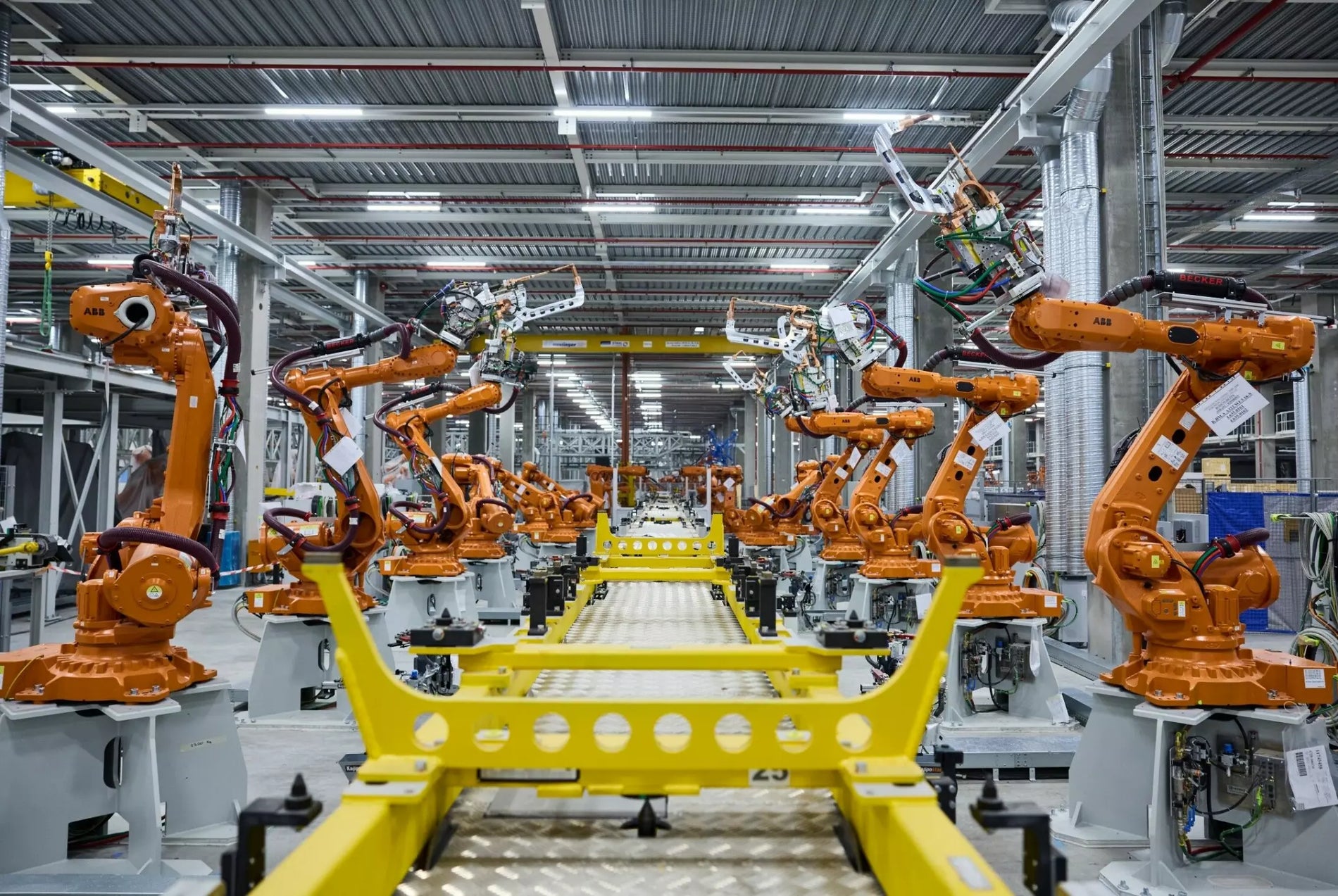
Automotive factories may look familiar, but their digital depth is changing fast.Assembly lines, robots, and conveyors now generate dense operational data.This shift reflects steady evolution, not sudden disruption.However, real deployment still depends on cost, safety, variability, and return on investment.From my experience in factory automation projects, OEMs rarely chase novelty.They adopt technologies only when benefits are measurable on the balance sheet.
AI in Automotive Industrial Automation: Invisible but Influential
Artificial intelligence already operates inside many control systems.Most applications remain hidden inside robot programming tools and PLC environments.
AI optimizes motion paths, tunes process parameters, and accelerates commissioning.Therefore, automation teams need fewer specialists to deploy complex cells.In addition, AI turns raw sensor data into prioritized maintenance actions.Condition monitoring systems now flag risks before failures occur.However, many AI pilots fail because they lack operational focus.Successful projects always link insights to uptime or throughput improvements.
Digital Twins: From Design Tool to Operational Asset
Simulation has supported automotive line design for decades.Digital twins now promise much deeper operational value.They validate reachability, cycle times, and material flow before installation.As a result, commissioning risk and ramp-up time decrease.In my view, digital twins succeed only when models stay connected to reality.Disconnected simulations quickly lose relevance after production starts.Live data integration separates useful twins from expensive visualizations.
Data Readiness Determines Digital ROI
Digital tools depend on strong data foundations.Plants need reliable sensors, consistent networks, and governed data models.Without this foundation, AI and digital twins deliver limited value.Therefore, instrumentation and connectivity should come first.Automotive leaders increasingly invest in these basics.
Once in place, they enable faster design iterations and better operational decisions.
Flexibility Versus Cost in Factory Automation
Highly modular factories attract strong interest but face economic limits.Greater flexibility always increases mechanical and software complexity.Historically, servo-driven multi-model lines proved expensive to maintain.As a result, few OEMs deploy fully modular plants at scale.Most manufacturers now choose selective modularity.They stabilize high-volume core processes.They add flexibility only where variant complexity creates real value.Late-stage configuration and intralogistics benefit most from this approach.
Why Trim and Final Assembly Resist Full Automation
Trim and final assembly remain labor-intensive by necessity.Components are soft, variable, and difficult to handle reliably.Damage risk remains high inside constrained vehicle interiors.Therefore, full robotic replacement remains impractical.Instead, OEMs deploy assistive automation.Vision systems, collaborative tools, and ergonomic devices support human operators.This hybrid model balances quality, flexibility, and investment risk.
Extending Asset Life Through Smart Automation
Capital pressure shapes automation decisions today.Electrification and sustainability investments limit available budgets.As a result, OEMs extend the life of existing robots and control systems.Older robots often move to less critical stations.They receive upgraded controllers, sensors, or end-of-arm tooling.Condition monitoring further extends usable life while reducing failure risk.In practice, this strategy delivers strong lifecycle economics.
A Pragmatic Roadmap for Automotive Automation
Automotive automation will advance through cumulative improvements.AI-assisted programming reduces engineering effort.Digital twins lower commissioning risk.Condition monitoring improves reliability and asset utilization.In my opinion, discipline matters more than ambition.OEMs should prioritize technologies with proven industrial impact.Incremental gains, applied consistently, outperform speculative platform bets.