
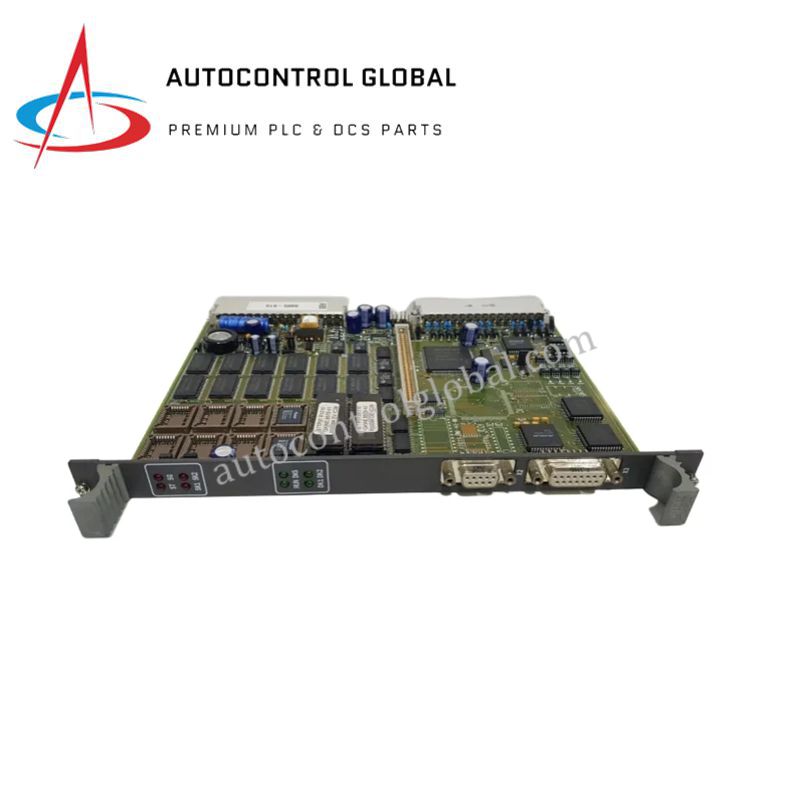
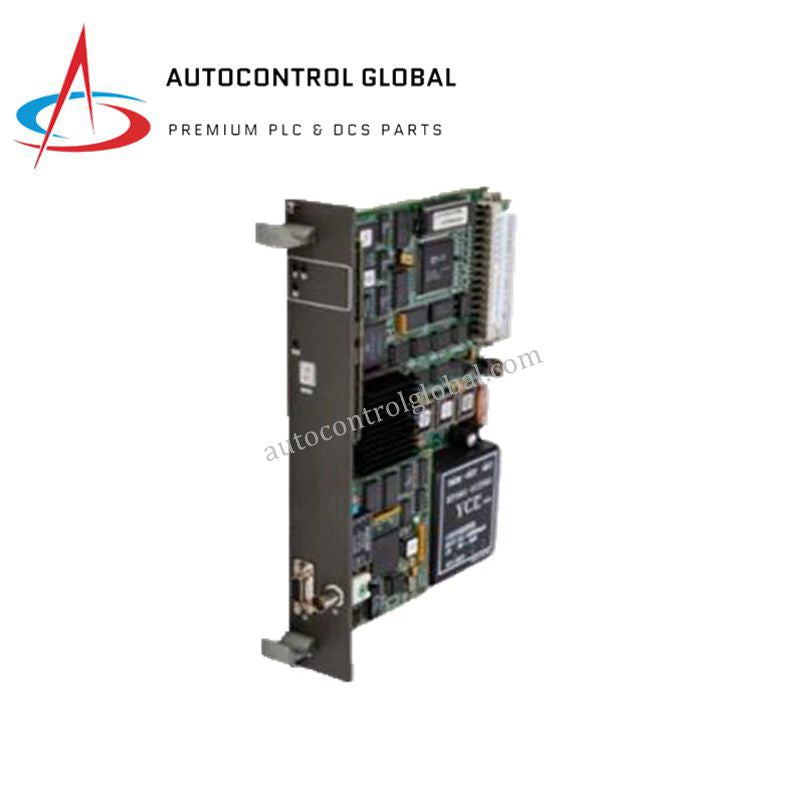
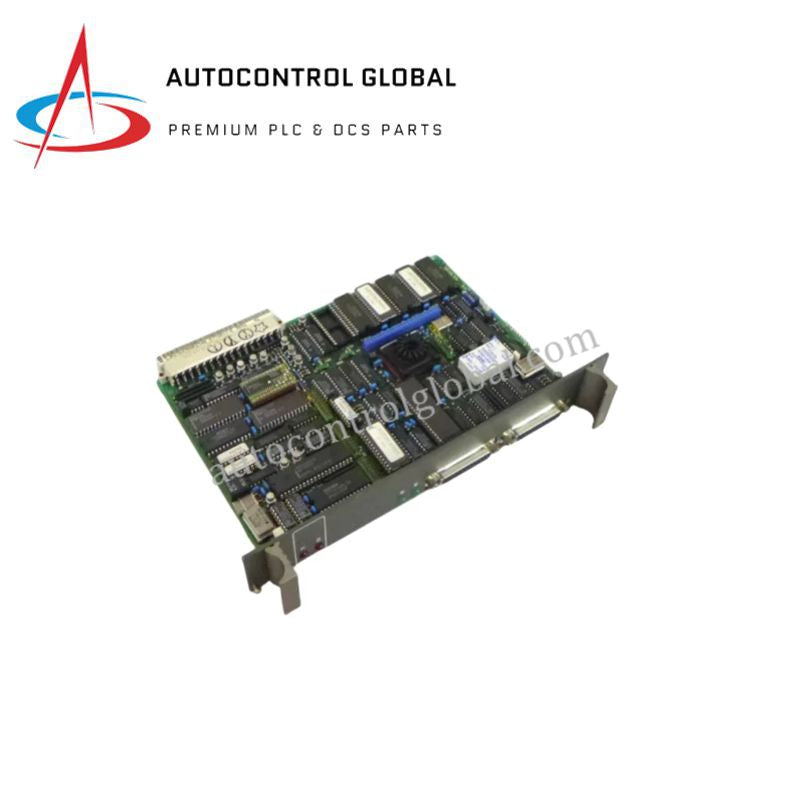


ABB 87TS01E GJR2368900R2011 DCS Coupler Modules
Manufacturer: ABB
-
Part Number: 87TS01E GJR2368900R2011
Condition:New with Original Package
Product Type: Coupler Modules
-
Country of Origin: Sweden
Payment:T/T, Western Union
Shipping port: Xiamen
Warranty: 12 months
ABB 87TS01E Coupler Module
The ABB 87TS01E GJR2368900R2011, also cataloged as the 87TS01E Coupler Module, operates as a dedicated hardware component for high-speed signal coupling and inter-rack communication routing within ABB DCS control platforms. Built into a compact form factor measuring 3.8 cm x 26.7 cm x 20.3 cm and weighing 0.5 kg, the module routes bus communication signals between adjacent control racks and peripheral I/O racks. It manages real-time data transfer across internal system backplanes, ensuring continuous physical link execution and deterministic bus coupling across process control nodes.
Hardware Specifications
| Parameter | Specification |
|---|---|
| Model | 87TS01E |
| Brand | ABB |
| Part Number | GJR2368900R2011 |
| Origin | Sweden |
| Weight | 0.5 kg |
| Dimensions | 3.8 cm x 26.7 cm x 20.3 cm |
| Operating Temp | Standard Industrial Range |
| Power Consumption | Standard Backplane Bus Power Draw |
| Module Type | Coupler Module |
| Application | Distributed Control System (DCS) Communications |
| Tariff Code | 8517620050 |
Backplane Bus Communication Velocity and Deterministic Networks
The module provides deterministic backplane coupling across the rack bus assembly, executing rapid data packet transfers without introducing signal distortion or bus communication timeouts. It establishes a dedicated interface layer that maintains timing synchronization across distributed control hardware nodes. By stabilizing signal voltage levels and suppressing cross-talk across backplane communication traces, the unit maintains high bus velocity and supports scalable I/O density configurations while preserving firmware flash compatibility across connected DCS racks.
Frequently Asked Questions
Q: What is the primary functional role of the module within an ABB DCS rack configuration?
A: The module acts as a physical hardware coupling interface, transferring control signals and communication packets between system racks and backplane extension segments.
Q: How does the unit preserve signal integrity across rack-to-rack interconnection paths?
A: Integrated bus line buffers and termination networks maintain signal amplitude and impedance matching across backplane connectors, eliminating signal reflections and reducing communication frame errors.
Q: What physical mounting footprint must be allocated inside the system cabinet?
A: The hardware requires a rack slot width of 3.8 cm with vertical clearance accommodating its 26.7 cm depth and 20.3 cm height, allowing direct alignment with standard rack backplane slots.
Field Installation Guidelines
Insert the module into the designated rack slot, aligning the edge connectors precisely with the rear backplane interface. Slide the unit smoothly along the card guides until the backplane pins engage fully, then tighten the front panel retaining screws to secure the physical connection and establish chassis grounding. Ensure that all power to the rack is switched off prior to insertion if the rack backplane does not explicitly support live hot-swapping.
Verify that all interconnecting bus extension cables are routed separately from high-voltage AC lines and motor drives to prevent noise induction. Connect the rack chassis directly to the system functional earth bar using a short, heavy-gauge grounding strap. Confirm proper bus termination switches or end-of-line resistors are set correctly across the coupled rack segment before restoring cabinet power.