
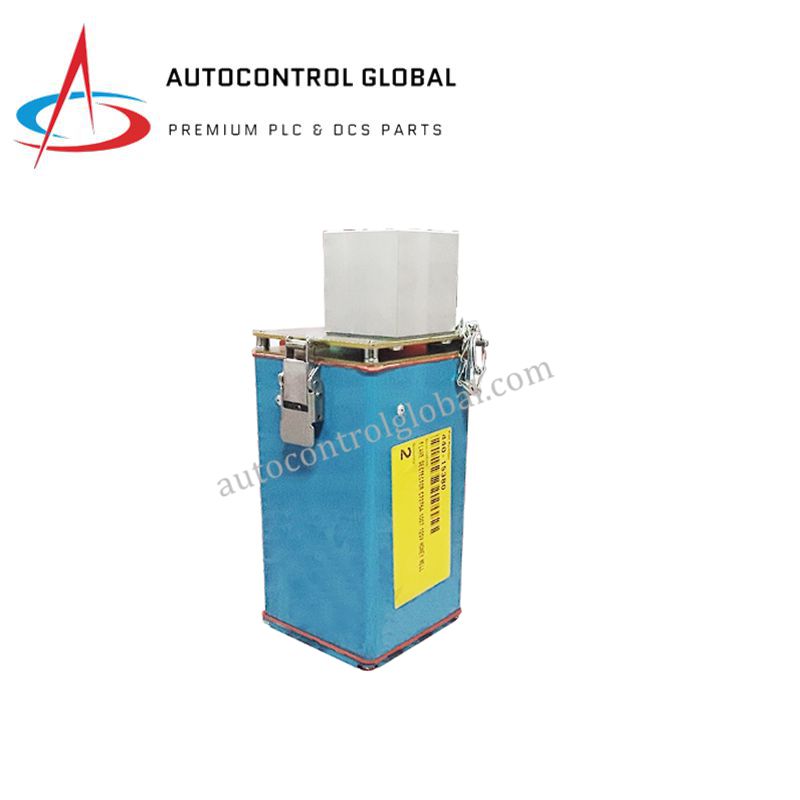
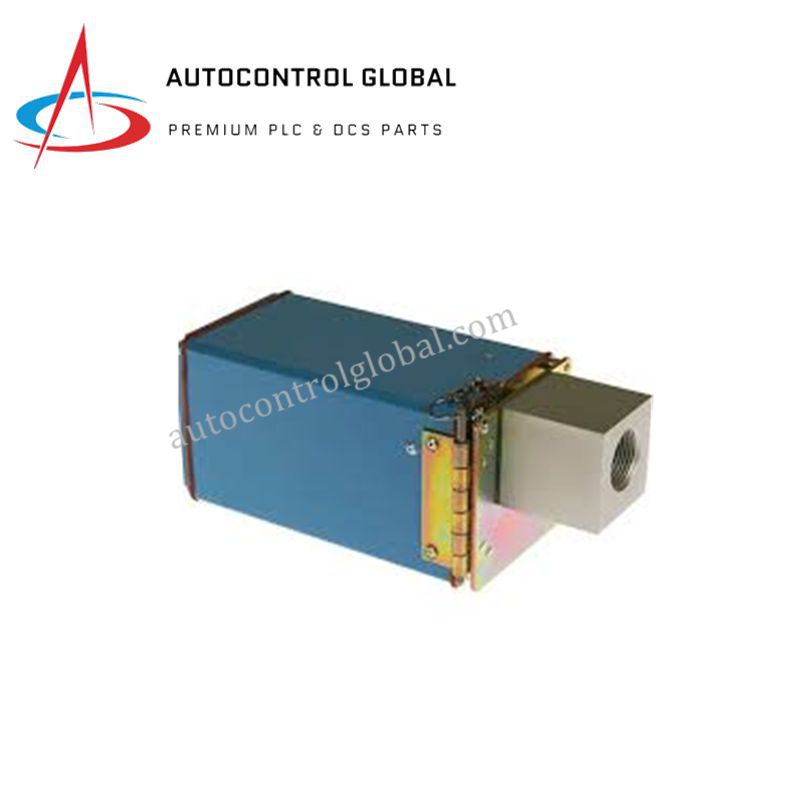
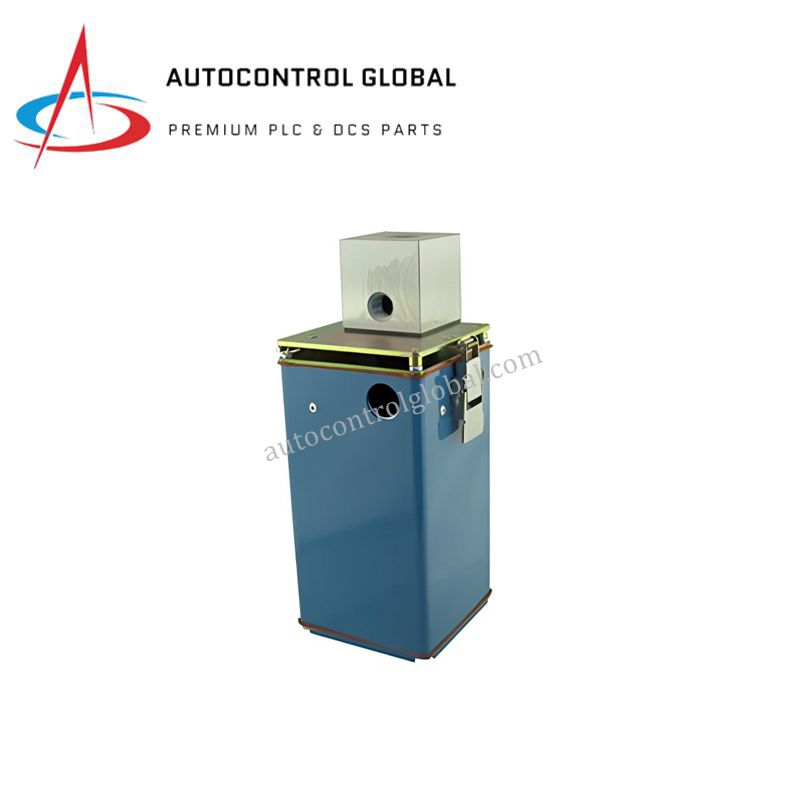


C7076A1007 Honeywell Ultraviolet Sensor for Gas and Oil Flames
Manufacturer: Bently Nevada
-
Part Number: C7076A1007
Condition:New with Original Package
Product Type: Ultraviolet Flame Detectors
-
Country of Origin: USA
Payment:T/T, Western Union
Shipping port: Xiamen
Warranty: 12 months
Product Overview
The Honeywell C7076A1007 is a high-sensitivity ultraviolet (UV) flame detector designed for continuous-duty industrial burners and large-scale boiler systems. It monitors the UV radiation emitted by combustion and provides a high-level signal to the burner management system (BMS). We supply this unit as 100% brand new and original, ensuring your combustion safety systems meet the most stringent regulatory and insurance requirements.
Technical Specifications
| Feature | Specification Details |
| Model | C7076A1007 |
| Detection Type | Ultraviolet (UV) Radiation |
| Fuel Compatibility | Gas, Oil, and Pulverized Coal |
| Input Power | 120 VAC, 60 Hz |
| Sensitivity | Two adjustable ranges (Low/High) |
| Circuit Design | Solid-state, vibration-resistant |
| Output Signal | High-level signal for long-distance transmission |
| Ambient Temperature | –40°C to +71°C (–40°F to +160°F) |
| Wiring Connection | Secure Terminal Blocks |
| Certifications | UL508, CE, TUV, CSA |
| Dimensions | 2.2 cm × 12.4 cm × 12.6 cm |
Engineering Advantages
Dynamic Flame Discrimination
The C7076A1007 features two adjustable sensitivity ranges. This allows engineers to calibrate the sensor to ignore "background" UV from hot refractory surfaces while maintaining a sharp focus on the actual flame. This discrimination prevents nuisance shutdowns and ensures the detector only reacts to the active combustion zone.
Long-Distance Signal Integrity
Unlike passive sensors that suffer from signal attenuation over distance, the C7076A1007 provides a high-level output signal. This architecture allows you to mount the detector on massive boiler fronts while transmitting data to a control room hundreds of feet away without requiring additional signal boosters.
Resilience in Harsh Environments
Honeywell utilizes a rugged, solid-state design that withstands the intense heat and mechanical vibration typical of industrial burner fronts. The enclosure maintains stable performance within a wide temperature range (–40°C to +71°C), protecting the internal UV sensing tube from thermal degradation.
Simplified Installation and Maintenance
The internal terminal block design streamlines the wiring process. It provides secure, vibration-proof connections that simplify routine inspections. Because the detector integrates with standard Honeywell and third-party burner controls, it serves as an ideal "drop-in" replacement for aging flame scanners.
FAQs
How do I adjust the sensitivity for a pulverized coal application?
For coal flames, which may produce higher levels of soot or interference, use the sensitivity adjustment potentiometers located under the protective cover. Start with the "High" range and gradually decrease sensitivity until the detector ignores the ignition spark but reliably picks up the main coal flame.
What is the recommended maintenance schedule for the C7076A1007?
Inspect the viewing window or lens monthly. Dust, soot, or oil film on the lens blocks UV radiation and reduces sensitivity. Clean the lens with a soft, lint-free cloth and a non-abrasive glass cleaner to maintain peak detection performance.
Can the C7076A1007 replace an infrared (IR) detector?
UV detectors sense different light spectrums than IR sensors. While UV is superior for gas and light oil flames, IR is sometimes preferred for heavy oil. However, the C7076A1007’s adjustable sensitivity makes it highly effective for most industrial fuels, including coal. Always verify your Burner Management System (BMS) compatibility before switching sensor types.
Does this unit require a cooling air supply?
While the unit operates up to +71°C, Honeywell recommends using a sighting pipe with a small amount of "purge air." This air flow cools the detector and prevents the accumulation of soot and heat on the detector lens, significantly extending the life of the UV sensing tube.